
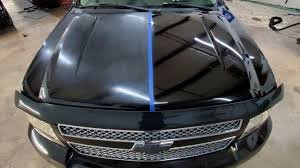
Keeping your car clean not only makes it look amazing but also protects your finish and extends its life. In today’s busy world, many car owners reach for a pressure washer as a quick and powerful cleaning tool. However, without the right knowledge and precautions, pressure washing your car can lead to damage instead of delivering the sparkling results you want.
If you’re considering this approach, especially before or after services like Mobile Car Detailing or Paint Correction, it’s essential to understand the correct techniques, safety tips, and best practices. In this comprehensive guide, we break down everything you need to know.
Why Pressure Washing Is Popular
Pressure washing is an efficient method to remove stubborn dirt, grime, salt, and road contaminants that build up over time. It’s faster and more thorough than a traditional garden hose. But with power comes responsibility — the same force that strips away grit can also harm paint, trim, and delicate surfaces if misused.
Used properly, it’s a great first step to preparing your vehicle for professional services like Paint Correction or a Mobile Car Detailing session, where technicians refine your paint’s appearance and protect the finish.
How Pressure Washing Works
Pressure washers force water out at high speed. They are rated by PSI (pounds per square inch) and GPM (gallons per minute). For cars, lower pressure is better. Too much pressure can etch paint, damage window seals, or peel off ceramic coatings.
Think of pressure washing like power-scrubbing your car with a high-speed water brush. It can remove surface contaminants that hand washing alone might leave behind.
Best Practices for Safe Pressure Washing
1. Use the Right Equipment Settings
- Select Lower Pressure: Aim for 1200–1900 PSI for automotive applications. This range is strong enough to clean but gentle on paint.
- Choose Wider Spray Nozzles: Nozzles with 25° to 40° angles spread out the force, reducing impact. Avoid 0° or 15° nozzles as they can damage clear coat and paint.
2. Maintain Safe Distance
- Keep the wand at least 12–18 inches away from the surface.
- For trim, rubber seals, and decals, back up a bit more to avoid peeling or pitting.
The goal isn’t to blast — it’s to loosen contaminants so they can be rinsed away.
Smart Pressure Washing Sequence
Step 1: Rinse Top to Bottom
Start with a gentle rinse from the roof down. This preps the surface and softens dirt.
Step 2: Focus on Wheels Last
Wheels and wheel wells can be extremely dirty. Wash them before the body or after rinsing to keep grime from splashing onto clean panels later.
Step 3: Re-Rinse After Soap
If using automotive soap, ensure you rinse every panel thoroughly. Residue can leave streaks or spots.
Common Mistakes to Avoid
Mistake 1: Pressure Washing with a Narrow Stream
Concentrated streams cut into paint and clear coat quickly. Always use a broad fan spray.
Mistake 2: Pressure Washing Without Pre-Rinsing
Dry rubbing pressure washer debris on a dry surface can cause scratches. Always pre-rinse before applying soap or pressure.
Mistake 3: Ignoring Surrounding Areas
Trim, badges, and emblems are delicate. Protect them by maintaining distance and adjusting angles.
Protecting the Finish: Paint Correction and Detailing
Professionals know pressure washing is only one part of a great wash. Post-wash, your vehicle might still have fine swirls or contaminants embedded in the paint. This is where Paint Correction and Mobile Car Detailing come in.
Paint Correction Explained
Paint correction is the process of leveling and refining automotive paint using specialized machines and products. It:
- Removes swirl marks and light scratches
- Restores depth and clarity
- Prepares the surface for protective coatings
If you pressure wash incorrectly, you might introduce micro-scratches that require Paint Correction to fix. That’s why it’s crucial to follow best practices and, when in doubt, leave it to the experts.
Mobile Car Detailing: Convenience Meets Precision
Instead of lugging your vehicle to a shop, Mobile Car Detailing professionals bring the service to you. They know how to safely pressure wash, hand wash, clay bar, polish, and protect your vehicle — all on-site.
This service ensures your car is cleaned, corrected, and protected with minimal risk of damage.
Protective Coatings After Pressure Washing
Once your car is clean, consider protective coatings like:
- Sealants
- Ceramic Coatings
- Wax
These products fill microscopic pores in the paint and create a hydrophobic layer. This means dirt and water bead up and roll off, making future pressure washes even safer and more effective.
Pressure Washing Interiors Isn’t Recommended
Yes, pressure washers can be powerful — too powerful for interior surfaces. Upholstery, electrical components, carpets, and seams can trap water, leading to mold or damage.
Stick to:
- Hand cleaning
- Steam cleaners
- Professional interior detailing services
These are far safer ways to clean upholstery and interior panels.
Seasonal Tips for Pressure Washing Your Vehicle
Winter Driving Conditions
Road salt and slush buildup can be corrosive. Rinse frequently during winter, using a pressure washer to remove salt from undercarriages, wheel wells, and rocker panels.
Post-Offroad Adventures
Mud and sand can settle into tight areas. Pre-rinse with low pressure, then hand wash or book a professional Mobile Car Detailing visit.
DIY vs. Professional Services
DIY Pressure Washing
Pros:
- Cost-effective
- Convenient
- Great for regular maintenance
Cons:
- Risk of damage if done incorrectly
- May miss embedded contaminants
Professional Mobile Car Detailing
Pros:
- Expertise in safe pressure washing
- Comprehensive cleaning and protection
- Includes Paint Correction when needed
Cons:
- Higher cost than DIY
If you value your vehicle’s appearance and longevity, professional detailing services are a smart investment.
Final Thoughts: Clean Safely, Shine Brilliantly
Pressure washing your car can be a game changer for cleanliness, but it’s not a magic bullet. Knowing how to pressure wash safely, choosing the right equipment, and understanding when to seek professional help are what make the difference between a gleaming finish and avoidable damage.
Pair pressure washing with expert services like Mobile Car Detailing and Paint Correction to maximize beauty and protection. Whether you choose to DIY or call in the pros, you’ll enjoy a cleaner, brighter, and better-protected vehicle.
Recent Comments