
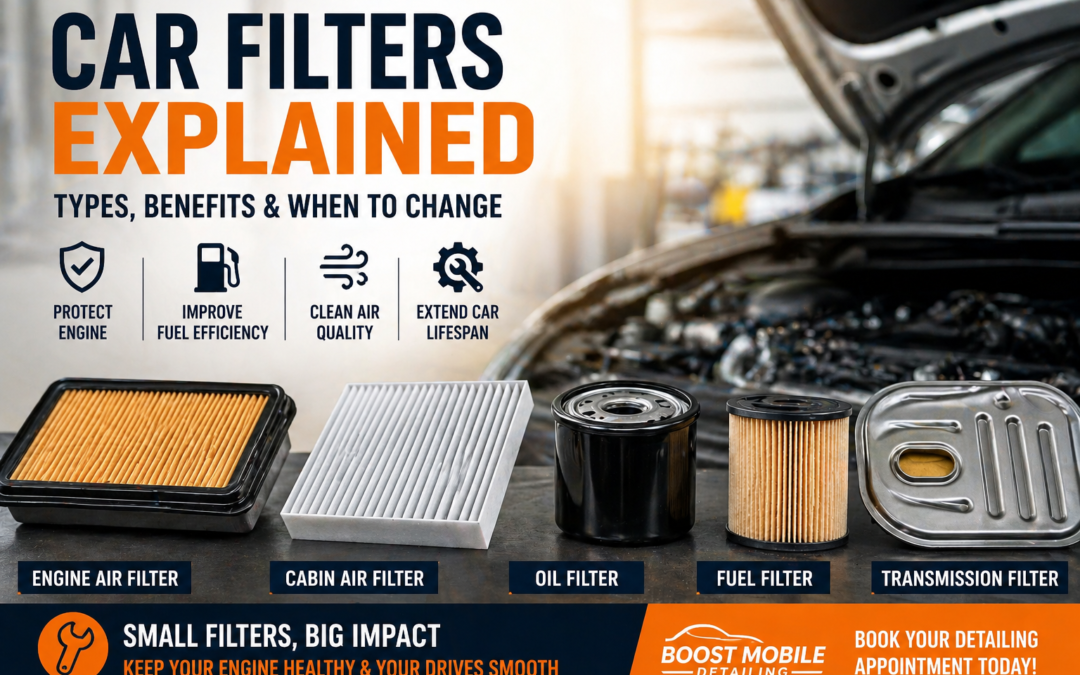
Your car relies on several filters to function properly, yet most drivers rarely think about them—until something goes wrong. Filters play a crucial role in protecting your engine, improving air quality, and ensuring optimal performance. Ignoring them can lead to reduced efficiency, higher fuel consumption, and even costly repairs.
If you’ve ever wondered when, why, or how to change your car’s filters, this guide answers it all in a simple and practical way.
What Is a Car Filter and Why Does It Matter?
A car filter is designed to trap dirt, debris, and contaminants before they can harm your vehicle. Without filters, your engine and cabin would quickly become clogged with harmful particles.
Why filters are essential:
- Protect engine components
- Improve fuel efficiency
- Ensure clean airflow
- Enhance driving comfort
- Extend vehicle lifespan
Types of Car Filters You Should Know
Not all filters serve the same purpose. Understanding each type helps you maintain your car more effectively.
1. Engine Air Filter
The engine air filter prevents dust, dirt, and debris from entering your engine.
Key functions:
- Maintains proper air-to-fuel ratio
- Improves engine performance
- Reduces emissions
When to change:
Every 12,000 to 15,000 miles (or sooner in dusty conditions)
2. Cabin Air Filter
This filter cleans the air entering your car’s interior through the HVAC system.
Key benefits:
- Removes pollen and pollutants
- Improves air quality inside the car
- Reduces odors
Signs it needs replacement:
- Weak airflow
- Bad smell from vents
- Increased dust inside cabin
3. Oil Filter
The oil filter removes contaminants from engine oil, ensuring smooth lubrication.
Why it matters:
- Prevents engine wear
- Keeps oil clean
- Improves engine life
Replacement timing:
Usually changed during every oil change
4. Fuel Filter
The fuel filter ensures that clean fuel reaches the engine.
Functions:
- Removes dirt and rust from fuel
- Protects fuel injectors
- Maintains smooth engine performance
Signs of a clogged fuel filter:
- Engine misfires
- Difficulty starting
- Reduced power
5. Transmission Filter
This filter keeps transmission fluid clean and free from debris.
Importance:
- Ensures smooth gear shifts
- Prevents transmission damage
- Extends the lifespan of the transmission system
Common Signs Your Car Filters Need Changing
Ignoring filter maintenance can lead to noticeable issues. Watch out for these warning signs:
- Reduced fuel efficiency
- Strange engine noises
- Weak airflow from the AC vents
- Unpleasant smells
- Sluggish acceleration
- Dashboard warning lights
If you notice any of these, it’s time to inspect your filters.
What Happens If You Don’t Change Filters?
Skipping filter changes may seem harmless, but it can lead to serious problems:
Short-term effects:
- Poor engine performance
- Increased fuel consumption
- Reduced air quality
Long-term damage:
- Engine wear and tear
- Expensive repairs
- Shortened vehicle lifespan
Regular maintenance is far cheaper than dealing with major repairs.
How Often Should You Change Car Filters?
The frequency depends on your driving conditions and environment.
General guidelines:
- Engine air filter: Every 12,000–15,000 miles
- Cabin air filter: Every 15,000–20,000 miles
- Oil filter: With every oil change
- Fuel filter: Every 20,000–40,000 miles
- Transmission filter: As recommended by the manufacturer
Driving in dusty or polluted areas may require more frequent changes.
DIY vs Professional Filter Change
DIY Replacement
- Cost-effective
- Quick for simple filters
- Requires basic knowledge
Professional Service
- Thorough inspection
- Correct installation
- Additional maintenance checks
While some filters are easy to replace, professional servicing ensures everything is done correctly.
Tips to Extend Filter Life
You don’t always have to replace filters frequently if you maintain them well.
- Avoid driving in dusty areas when possible
- Keep your car clean inside and out
- Schedule regular maintenance checks
- Use high-quality filters
- Replace filters on time
The Role of Filters in Fuel Efficiency
Clean filters help your car run efficiently. A clogged filter restricts airflow or fuel supply, forcing your engine to work harder.
Benefits of clean filters:
- Better mileage
- Smoother acceleration
- Reduced emissions
- Improved engine health
Maintaining filters is one of the easiest ways to save on fuel costs.
Environmental Impact of Dirty Filters
Dirty filters not only affect your car but also the environment.
- Increased emissions
- Poor combustion
- Higher pollution levels
Replacing filters regularly helps reduce your carbon footprint.
Final Thoughts
Car filter maintenance might not seem exciting, but it’s one of the most important aspects of vehicle care. Clean filters keep your engine running smoothly, improve air quality, and save you money in the long run.
By understanding the different types of filters and recognizing the signs of wear, you can stay ahead of potential problems and enjoy a safer, more efficient driving experience.
FAQs
1. Can I drive with a dirty air filter?
Yes, but it’s not recommended as it reduces engine performance and fuel efficiency.
2. How much does it cost to replace car filters?
Costs vary depending on the filter type, but most are relatively affordable compared to repairs.
3. Is changing a cabin air filter necessary?
Yes, it improves air quality and ensures a comfortable driving experience.
4. How long does it take to replace a filter?
Most filters can be replaced within 15–30 minutes.
5. Can I clean instead of replace filters?
Some filters can be cleaned temporarily, but replacement is the best long-term solution.
6. What happens if I delay filter replacement?
It can lead to poor performance, higher fuel consumption, and potential engine damage.
Keeping your car’s filters in check is a small effort that delivers big results. Stay proactive, follow maintenance schedules, and your vehicle will thank you with reliable performance for years to come. Keep your car running smoothly and looking fresh—book your detailing appointment with Boost Mobile today!
Recent Comments