
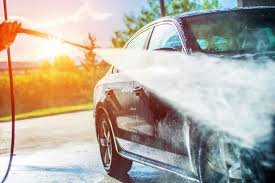
Modern vehicle owners are becoming increasingly aware of their environmental impact, and car washing is one everyday activity that consumes far more water than most people realize. While keeping a vehicle clean is essential for maintenance and appearance, traditional washing methods often waste significant amounts of freshwater and contribute to pollution. Eco-friendly mobile car washing has emerged as a smarter, sustainable alternative that focuses on efficiency, innovation, and responsible water use.
Best interior detailing Burnaby services and modern mobile detailing solutions are now integrating environmentally responsible practices alongside premium cleaning standards. This shift reflects a growing demand for sustainable car care that protects both vehicles and the planet.
Why Water Conservation Matters in Car Washing
Water scarcity is becoming a global concern, and industries that rely heavily on water are adapting quickly. Conventional driveway washing or outdated car wash systems can use anywhere between 100 and 500 liters of water per vehicle, depending on technique and equipment.
By comparison, eco-friendly mobile car washing dramatically reduces consumption. Many professional mobile services use only 20–50 liters per wash, and advanced systems can go even lower through optimized cleaning methods.
This difference matters because millions of vehicles are cleaned daily. Even small reductions per wash translate into massive water savings annually. Sustainable car washing is no longer just an environmental trend — it is becoming a necessity.
The Environmental Problems with Traditional Car Washing
Before exploring conservation techniques, it’s important to understand why older washing methods are inefficient:
1. Excessive Water Waste
Leaving a hose running during washing leads to unnecessary water loss. Traditional washing methods often prioritize rinsing over precision cleaning.
2. Chemical Runoff Pollution
Soap, oil residue, and heavy metals from vehicles can flow directly into storm drains and waterways when washing is done on driveways or streets.
3. Energy and Resource Consumption
Older systems may also consume more electricity and cleaning chemicals, increasing the environmental footprint beyond water use alone.
Eco-friendly mobile detailing addresses all three issues simultaneously.
Key Water Conservation Techniques Used in Mobile Car Washing
High-Pressure, Low-Flow Equipment
One of the most effective innovations is the use of high-pressure washers designed to clean efficiently using minimal water. These systems remove dirt quickly without prolonged rinsing.
Instead of flooding surfaces, technicians apply targeted sprays that loosen contaminants while using far less water per minute.
Waterless and Rinse less Washing Methods
Waterless washing technology has transformed the detailing industry. Specialized cleaning solutions encapsulate dirt particles, allowing them to be safely wiped away using microfiber towels.
Benefits include:
- Near-zero water usage
- Reduced runoff pollution
- Faster service times
Waterless washing can require no water at all, making it ideal for urban areas or regions with water restrictions.
Water Reclamation and Recycling Systems
Many eco-friendly mobile units capture used water, filter it, and reuse it for future washes. These systems can recycle up to 85% of water, dramatically reducing freshwater demand.
Water reclamation also prevents contaminated wastewater from entering local ecosystems, helping maintain cleaner waterways.
Smart Cleaning Techniques
Professional mobile detailers are trained to clean strategically rather than excessively. Techniques include:
- Spot cleaning heavily soiled areas first
- Using foam or pre-treatments to loosen grime
- Controlled rinsing only where necessary
These small procedural improvements significantly reduce total water consumption.
Biodegradable Cleaning Products
Eco-friendly soaps require less rinsing and break down naturally, minimizing environmental harm. Many modern solutions are pH-balanced and non-toxic, reducing chemical contamination risks.
Rainwater Harvesting
Some sustainable detailing operations integrate rainwater collection systems. Rainwater is naturally soft and reduces the need for chemical additives while saving treated municipal water supplies.
Efficiency Compared to Traditional Washing
To understand the impact, consider a simple comparison:
| Washing Method | Average Water Use |
|---|---|
| Driveway hose wash | 100–500 liters |
| Traditional car wash | 150 liters or more |
| Mobile eco wash | 20–50 liters |
| Waterless detailing | Near zero |
These numbers show how mobile detailing can reduce water use by up to 80–90% depending on the technique used.
Additional Environmental Benefits
Water conservation is only one advantage of eco-friendly mobile car washing.
Reduced Carbon Footprint
Mobile services eliminate the need for customers to drive to a physical location, lowering fuel consumption and emissions.
Controlled Waste Management
Professional mobile setups contain wastewater instead of allowing it to enter storm drains.
Longer Vehicle Life
Proper eco detailing protects paint, upholstery, and interior materials, reducing the need for premature replacements.
The Role of Interior Detailing in Sustainability
Many people associate eco car washing only with exterior cleaning, but interiors also play an important role. Services like interior detailing near me Burnaby increasingly use steam cleaning and low-moisture extraction systems.
Steam cleaning:
- Uses minimal water
- Sanitizes without harsh chemicals
- Removes bacteria efficiently
Similarly, luxury car interior detailing Vancouver services often rely on advanced tools designed to deliver deep cleaning while conserving resources. Steam vapor technology can sanitize surfaces using only small amounts of water compared to traditional shampoo extraction.
Deep Cleaning Without Excess Water
Modern detailing proves that sustainability does not mean compromising quality. deep interior cleaning Burnaby services now combine eco-friendly solutions with professional equipment to achieve superior results.
Examples include:
- Microfiber technology that traps dirt efficiently
- Low-moisture upholstery cleaning
- Targeted stain removal instead of soaking fabrics
These techniques reduce drying time while conserving water and energy.
How Consumers Can Support Water Conservation
Vehicle owners also play an important role in sustainability. Here are simple actions that help:
- Choose mobile eco-friendly detailing services.
- Avoid washing cars with continuously running hoses.
- Wash vehicles less frequently but maintain protective coatings.
- Select biodegradable cleaning products.
- Schedule professional detailing instead of DIY heavy washing.
Even small behavior changes can significantly reduce water waste over time.
The Future of Eco-Friendly Mobile Car Washing
The car care industry is rapidly evolving. Innovations such as smart water monitoring, AI-optimized cleaning processes, and advanced recycling systems are setting new environmental standards. Some eco wash concepts already reduce water usage by up to 95% compared to conventional methods, demonstrating how technology can reshape sustainability practices.
As cities continue promoting water conservation policies, mobile detailing businesses are expected to lead the transition toward greener automotive maintenance.
Conclusion
Eco-friendly mobile car washing represents a powerful combination of convenience, innovation, and environmental responsibility. By using waterless cleaning methods, high-efficiency equipment, biodegradable products, and recycling systems, mobile detailers dramatically reduce water consumption while delivering professional results. These practices not only conserve one of the planet’s most valuable resources but also prevent pollution and promote sustainable living.
For drivers seeking professional detailing with modern eco-conscious methods, services like Best interior detailing Burnaby, advanced interior cleaning solutions, and premium mobile detailing experiences are redefining how vehicles are maintained responsibly.
Recent Comments